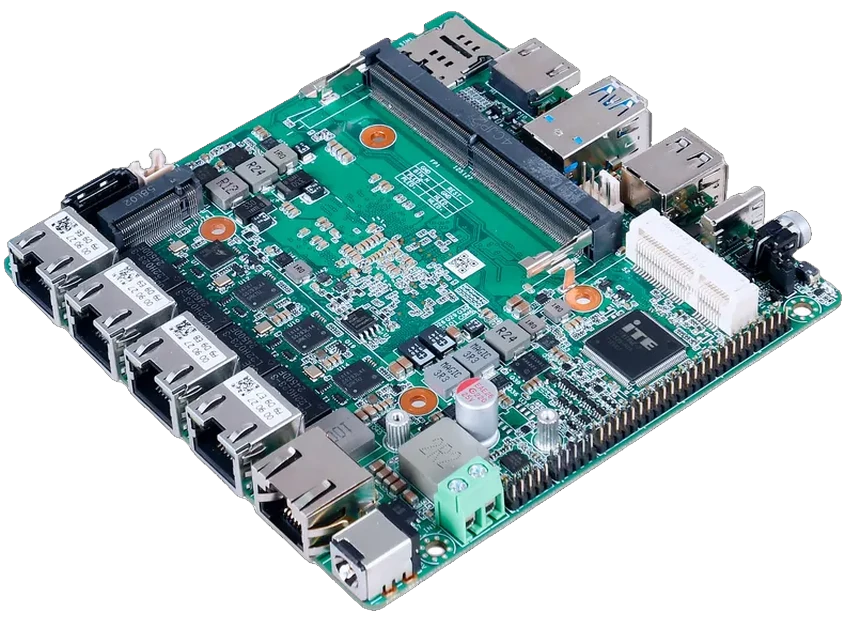
Notes / Temperature
Wide-Temperature Industrial PCs: What the Datasheet Does Not Say
A −20 °C to +60 °C rating is the start of the question. Load, enclosure and altitude decide whether it holds.
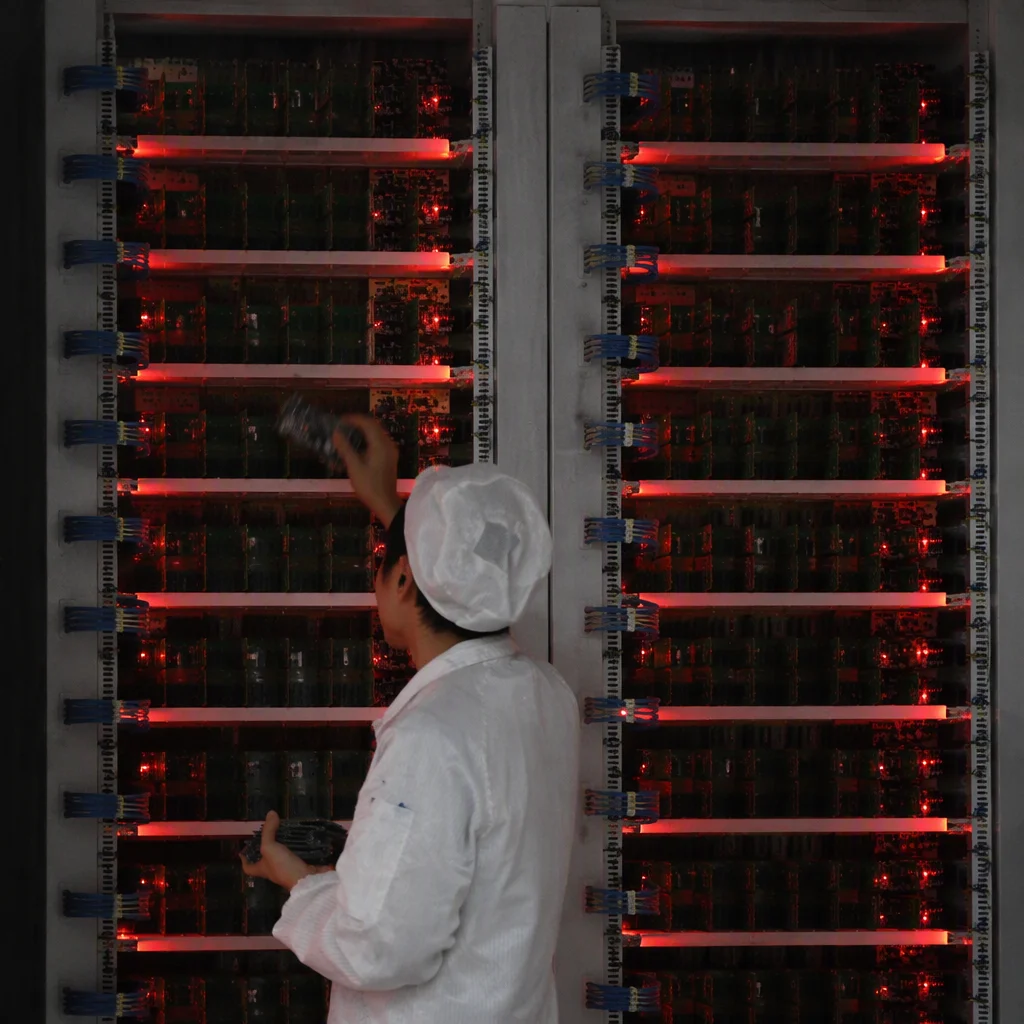
Illustrative scene: burn-in bench
01 / Claim and evidence
A rating is a claim. A report is evidence.
The card gives a range. Four conditions decide whether that range applies to your machine.
Idle or full load
A board tested at idle can pass a range that it fails under a sustained 28 W load. Ask for the load condition.
Board or enclosure
The board rating is measured in a test setup. The enclosure adds heat, dust and a smaller ambient volume.
Ambient or case
A case temperature is not an ambient temperature. Ask which one the number refers to before comparing two cards.
Report or card
Ask for the IEC 60068 test family and the actual report, not the range printed on the card.
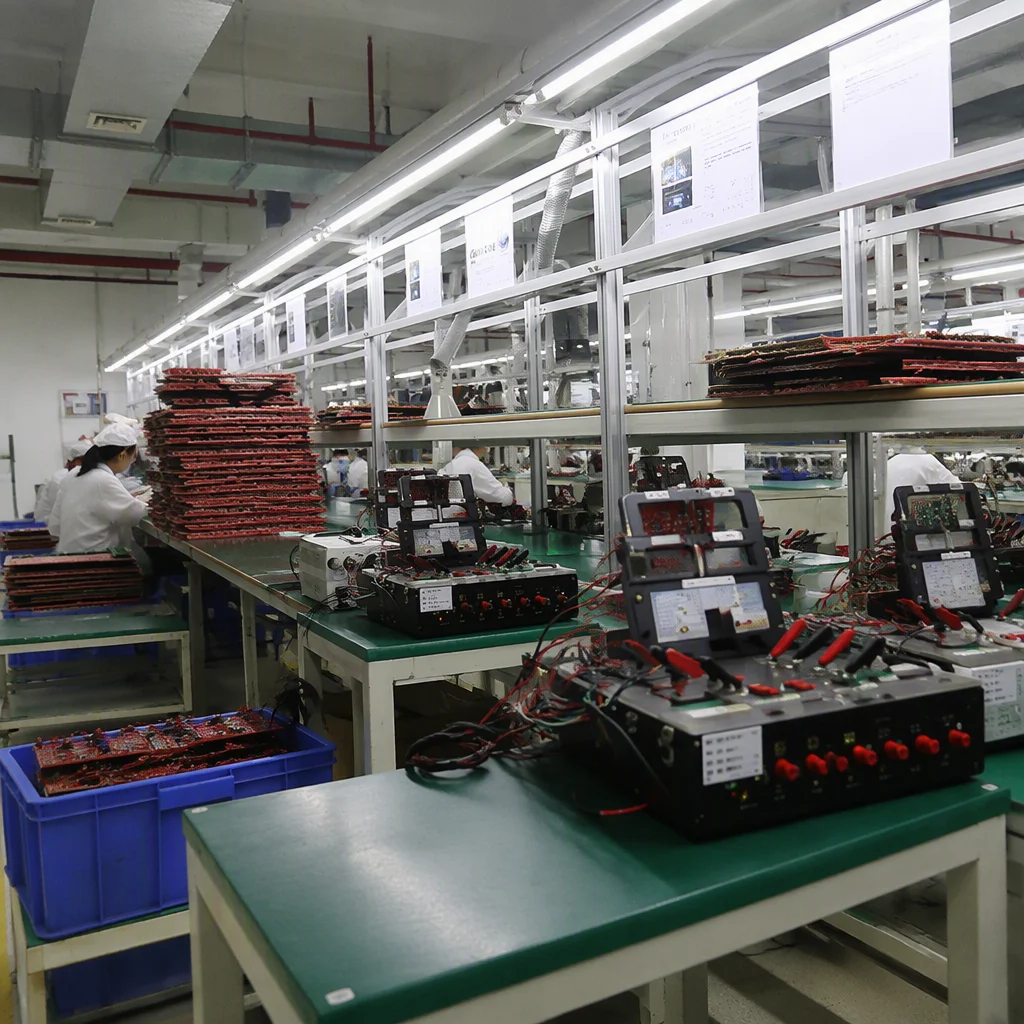
02 / The axis
The axis the datasheet leaves out.
Draw storage, operating, model exceptions and the altitude derating band on one axis.
The common board rating across 24 documented boards is −20 °C to +60 °C. TIM800B narrows the low end to −10 °C. Storage is wider: −40 °C to +85 °C on TOP800B.
Above 2,000 m, air density falls and convection cooling weakens. The 2,000 m threshold is a system-level condition; the card does not state a derated curve.
03 / Before design-in
Four questions before design-in.
| Question | Why it changes the answer |
|---|---|
| Is the rating at full load? | A 28 W CPU at 100% changes the thermal margin. Idle testing hides the difference. |
| Is it board or enclosure? | The enclosure ambient is the number the board actually sees. A bench test is not an enclosure test. |
| Which IEC 60068 reports exist? | The test family is named in the research; the report is the evidence behind the range. |
| How is altitude handled? | Above 2,000 m, derate or add forced air. Confirm the method used for the model. |
A yes or no answer is not enough for any of the four. Ask for the condition and the document.
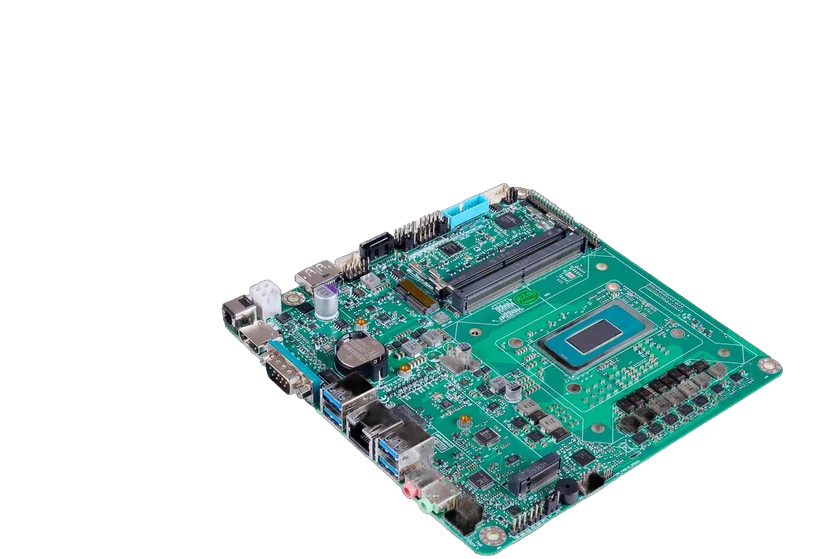
TIM800B / −10 to +60 °C 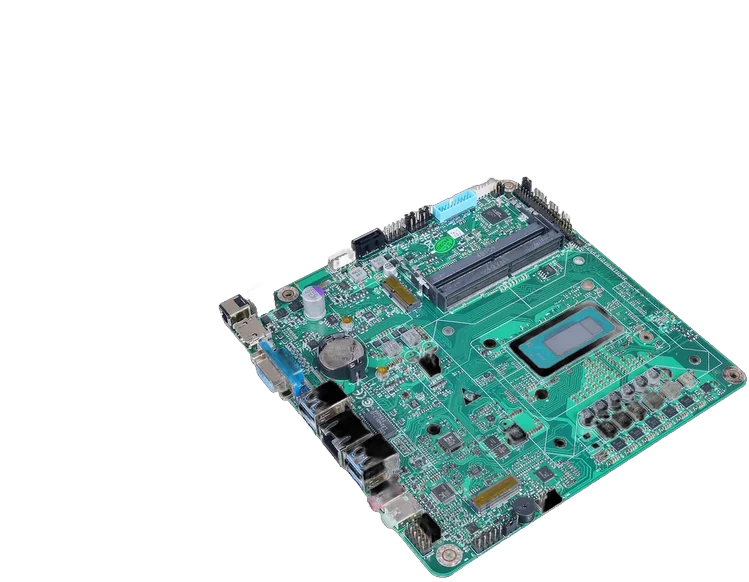
TIM600B / Mini-ITX 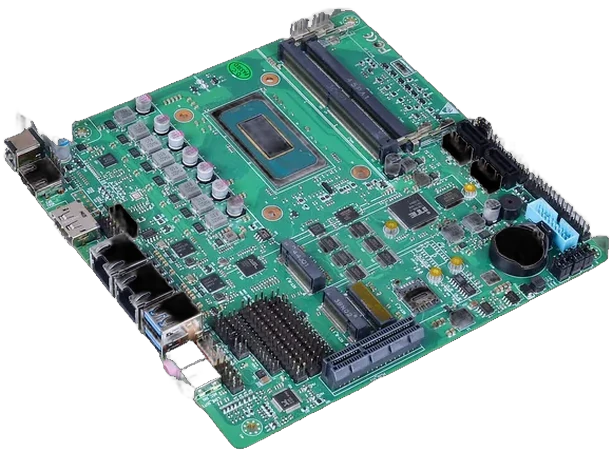
TOP800B / storage −40 to +85 °C 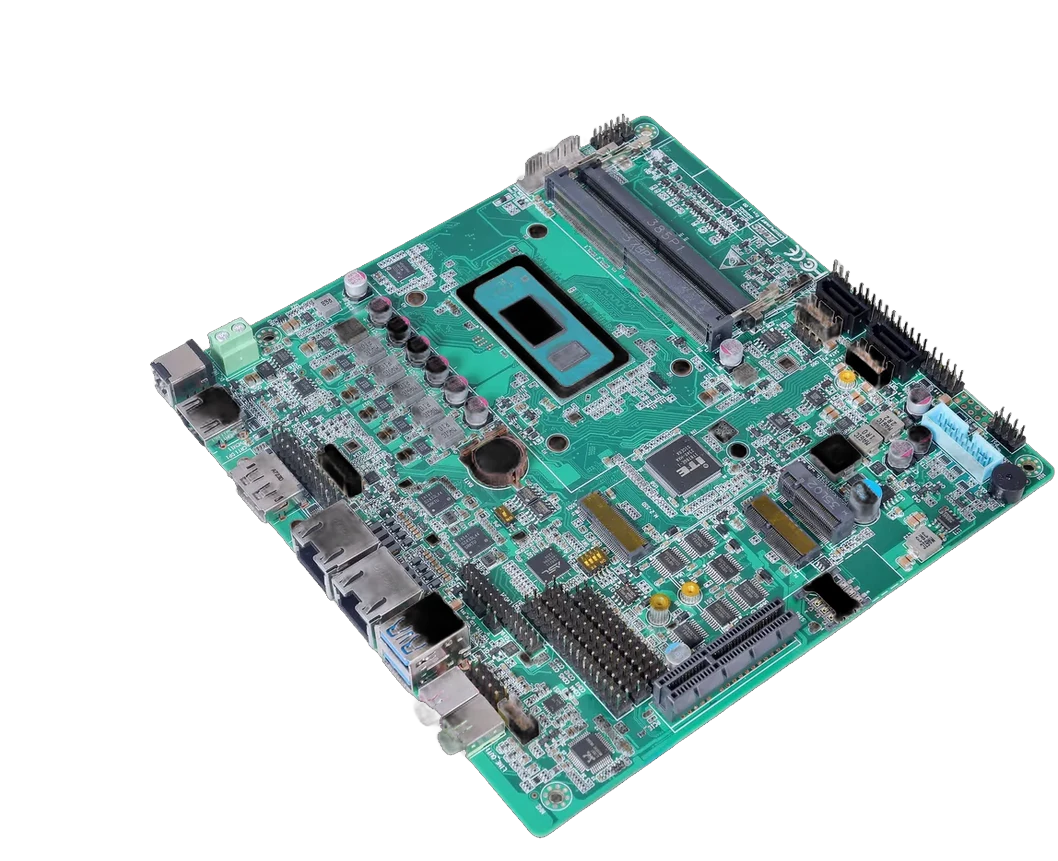
TOP600B / Mini-ITX 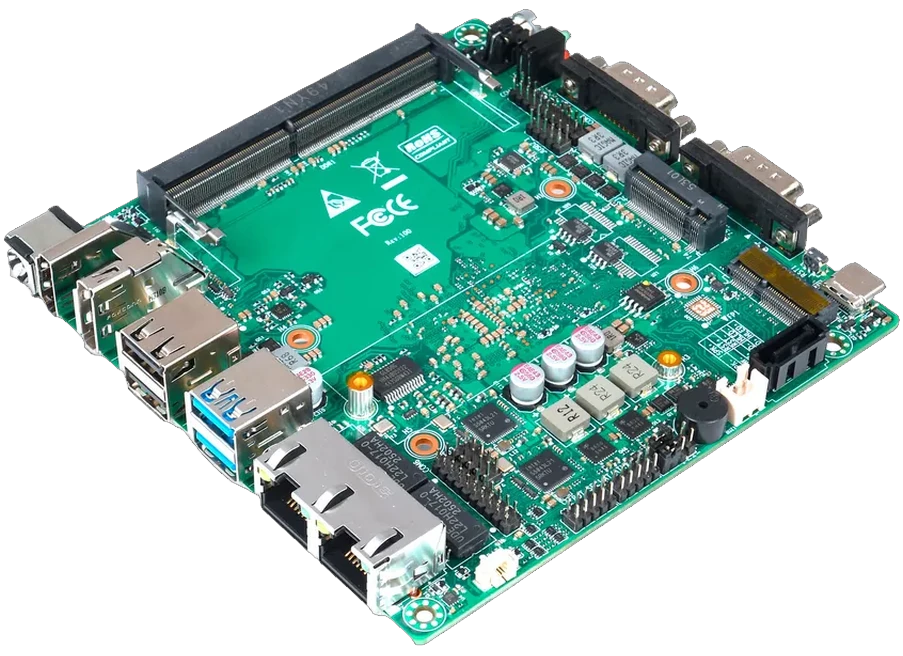
AD30NU / NANO-ITX 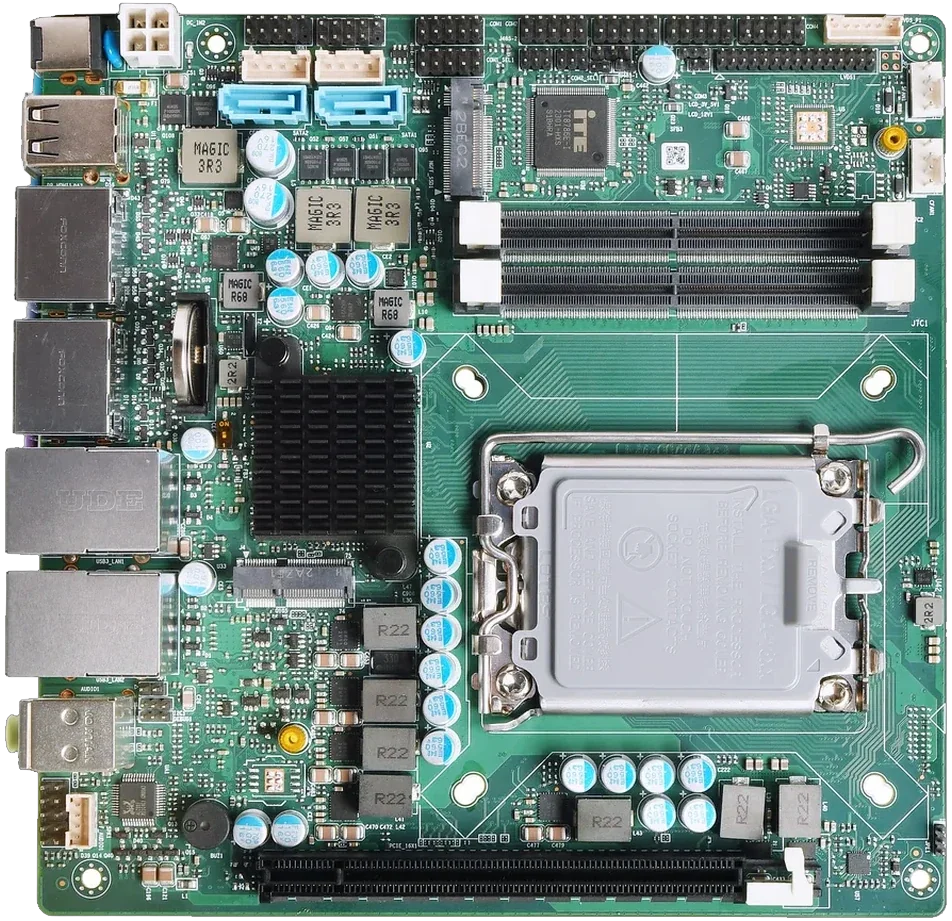
ITX660B / board face 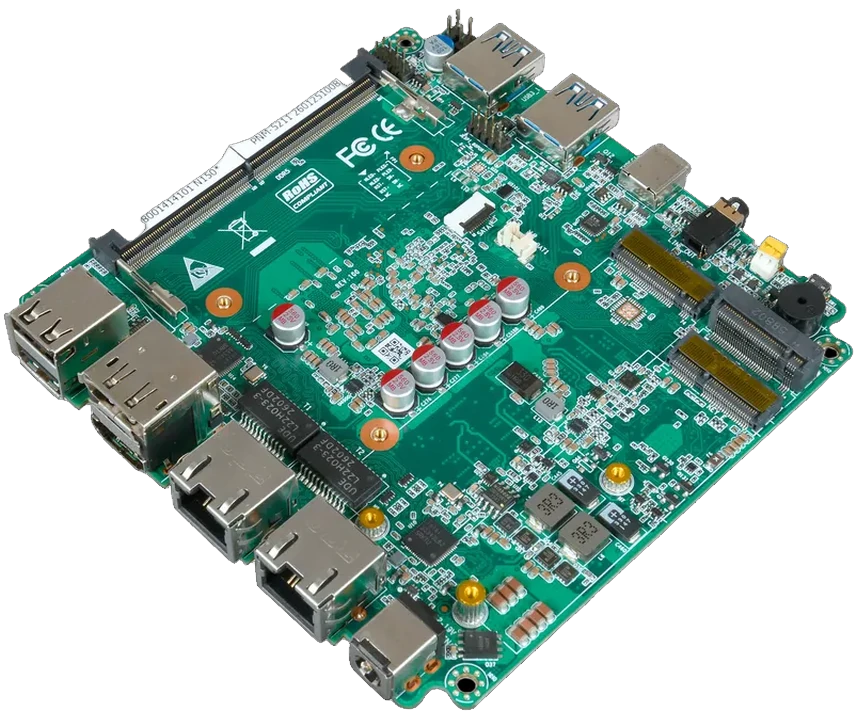
PNM-5211 / NANO-ITX 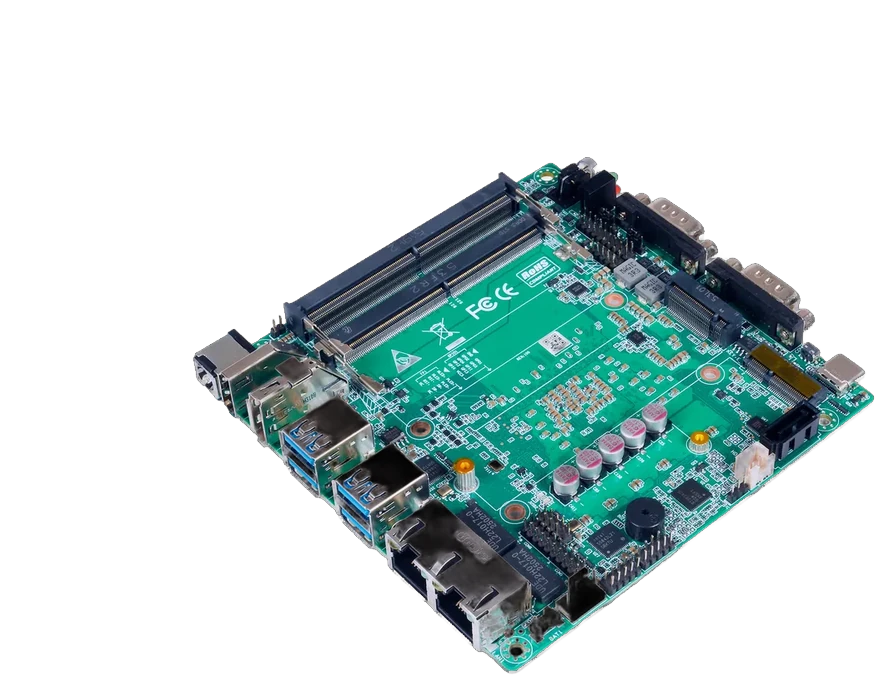
UT100NU / NANO-ITX 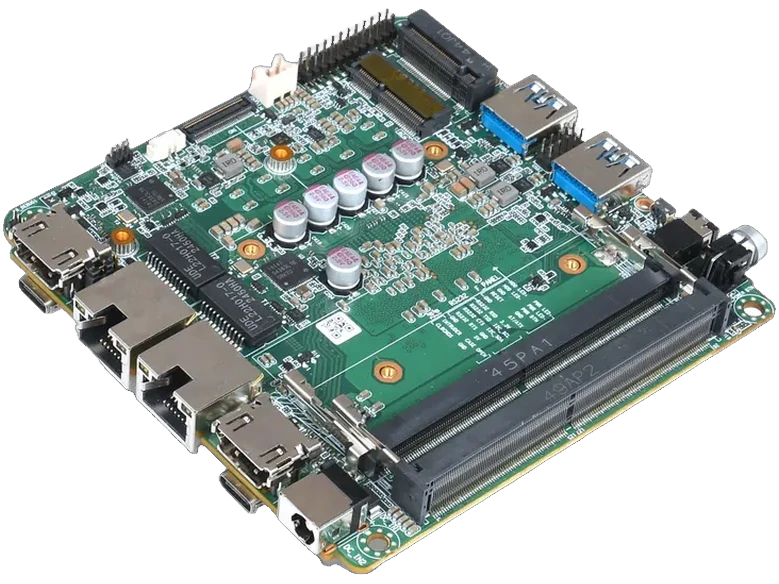
HK800CA / NUC
04 / Failure mode
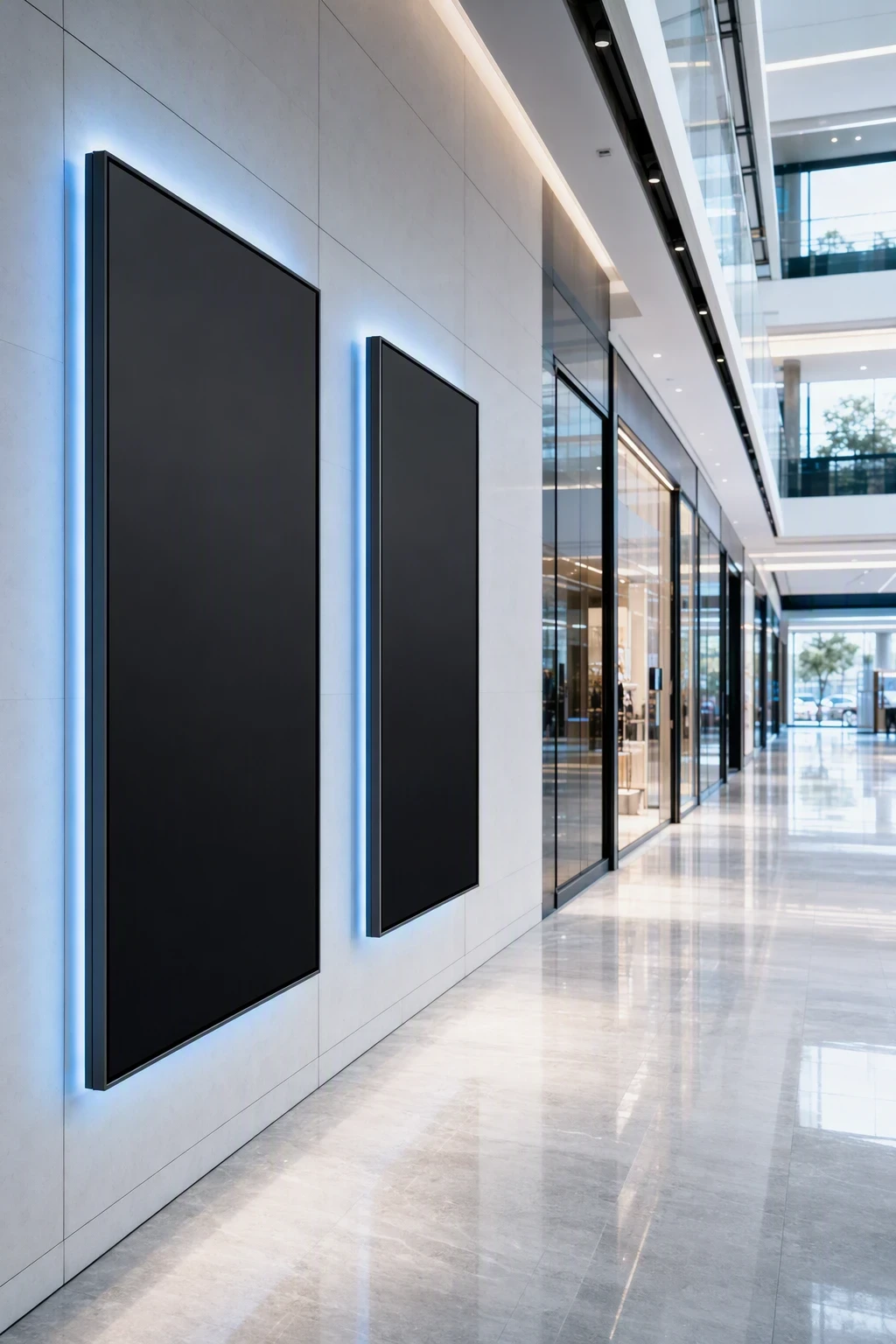
The failure mode: a signage player above 50 °C.
A sealed signage enclosure in direct sun can sit above 50 °C. Players in this class are expected to run 5–7 years. A board rated to +60 °C may still reset if the enclosure ambient crosses the limit at full load.
The fix is thermal, not a higher card rating: vents, a heatsink path to the enclosure, or a lower-power CPU.
- Enclosure ambient
- > 50 °C
- Player life
- 5–7 years
05 / Scope
Three questions about this note.
Is this generic advice?
No. The ranges come from 24 documented cards, with TIM800B as the exception and TOP800B storage values as the wide case.
Which models does it apply to?
TIM800B, TOP800B, TIM600B and AD30NU are the examples used here. The same four questions apply to any card with a temperature range.
What is still open?
The derated curve above 2,000 m and the enclosure-level test are not on the cards. Ask for the report and validate the finished enclosure.
06 / Next step
Put the range next to your enclosure.
Send the enclosure ambient, the load and the altitude. We reply with the closest model and its specification card within 24–48 h.